
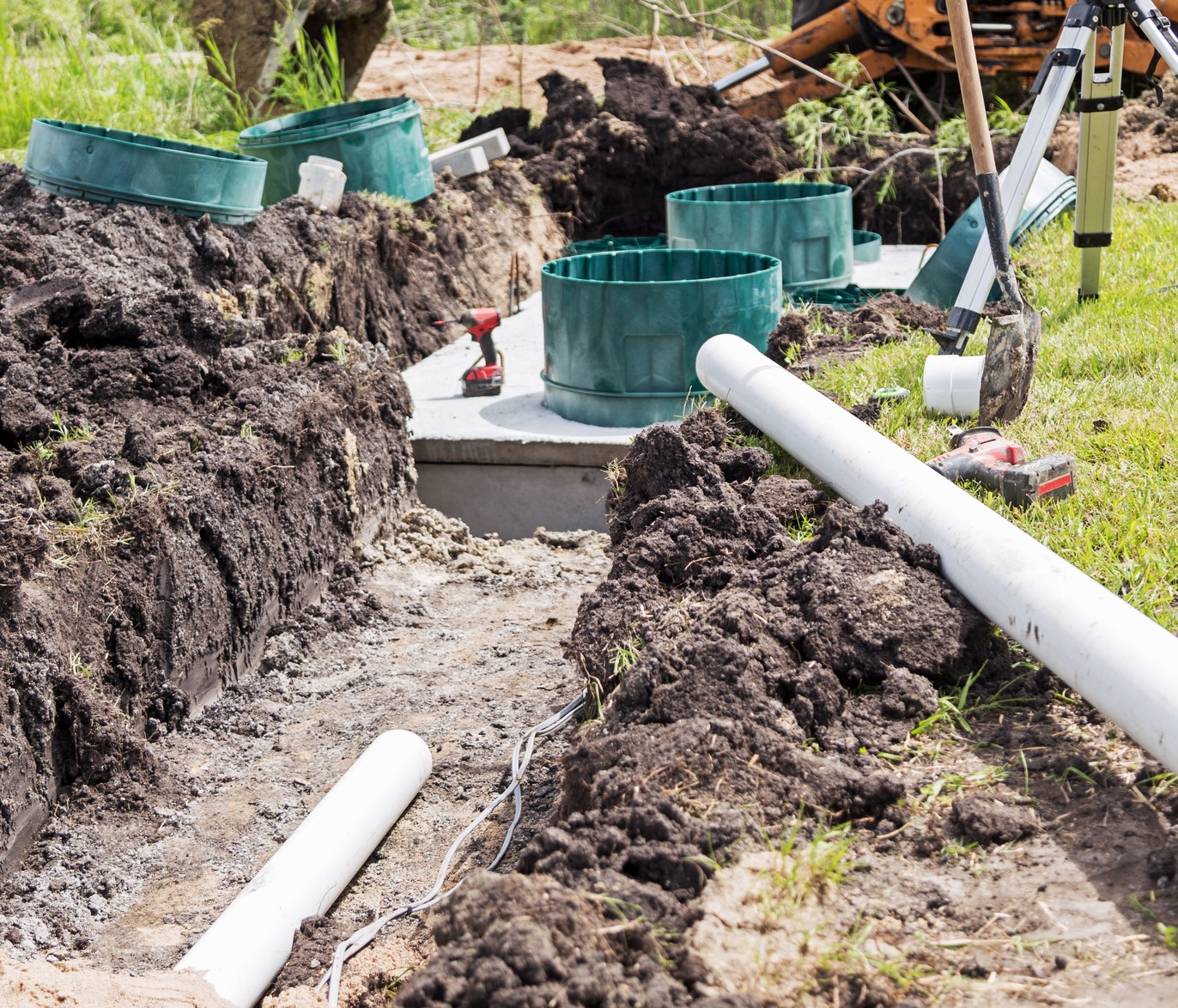
Waste water, or sewage, is the spent water of a home, business or population. In many rural areas, the sewage is treated by means of a septic tank followed by a network of piping, gravel and soil known as an on-site sewage system. The Environmental Health Division is responsible for evaluating proposed building sites and issuing construction permits for sewage systems.
The Environmental Health Division plays a vital role in the planning of building sites. No municipality, township or other governing body shall issue a building permit for a premises requiring a sewage system before obtaining permission from the Health Officer.
The following program areas related to sewage systems are administered by the Environmental Health Division:
Existing System Inspections: An existing sewage system inspection is the observation, assessment, and documentation of an existing on-site sewage system primarily for the purposes of real estate transactions, or for planned increases of sewage flow to an existing sewage system.
New Construction/Raw Land Evaluation: A building site evaluation is the first step in determining if a parcel of land without access to municipal wastewater services can be considered for an on-site septic system. Raw land evaluations deal with sewage suitability and water supply.
System Replacement Site Evaluation: When an existing septic system begins to fail, a site evaluation must occur to determine the appropriate location for the replacement system.
Sewage System Permitting: Once a site evaluation has been completed and a proposed build site approved, land or homeowners may apply for a sewage system permit.
Alternative Technology: Approximately 10% of build sites in the Western UP don’t meet code requirements. Alternative Technology can be an option for these sites.
Sewage System Installer Licensing: Sewage system installers must be licensed by the health department. Installers must pass an exam to achieve licensing.
Resources for Proper Septic Care: Once a system is installed, learn how to keep it in good, working condition.
The typical wait time for an appointment is 4-6 weeks from receipt of a complete application and payment.